 Login
Login

Electrical Safety for Employees
- Christinne van Vuuren |
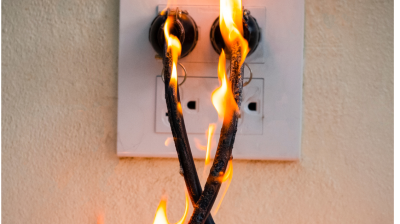
Electrical hazards are present in almost every workplace, regardless of industry. Employees may be exposed to risks such as electric shock, burns, fires, explosions, and secondary injuries resulting from unsafe electrical equipment, damaged cables, overloaded circuits, or poor work practices.
The Electrical Safety for Employees (SAEC019) course is designed to provide employees with a clear understanding of basic electrical safety principles, common electrical hazards, and safe work practices required to prevent injury and damage. This course does not train employees to perform electrical work, but rather equips them with the knowledge needed to recognise electrical hazards, work safely around electrical equipment, and respond appropriately in emergency situations.
Learners will gain an understanding of how electricity affects the human body, why electrical incidents occur, and how engineering controls, protective systems, and safe behaviour reduce risk. The course also covers the correct use of personal protective equipment (PPE), insulated tools, pre-use inspections, lockout awareness, working near energised equipment and overhead power lines, and basic emergency response to electrical incidents.
This course is suitable for employees at all levels who work in environments where electrical equipment is used or present, and supports compliance with occupational health and safety legislation and workplace safety requirements.
Course Duration
Approx. 2–3 hours (self-paced)
Target Audience
-
Employees (non-electricians)
-
Supervisors and team leaders
-
Administrative staff
-
General workers and contractors
-
Any person required to work near electrical equipment
Certification
Learners who successfully complete the course assessment will receive a Certificate of Completion for Electrical Safety for Employees (SAEC019).
Course Information
Electrical Safety for Employees eLearning Course Objectives
Upon successful completion of this course, learners will be able to:
-
Demonstrate an understanding of basic electrical principles and explain how electricity behaves in the workplace environment.
-
Identify common electrical hazards, including damaged cables, overloaded circuits, moisture exposure, and unsafe electrical practices.
-
Explain how electrical current affects the human body and why electric shock, burns, and electrocution can occur.
-
Recognise the causes of electrical incidents and unsafe conditions that may lead to injury, fire, or equipment damage.
-
Understand and apply the hierarchy of electrical safety controls, including elimination, engineering controls, administrative controls, and personal protective equipment (PPE).
-
Describe the purpose and function of electrical protection measures such as grounding (earthing), circuit breakers, earth leakage devices, guarding, and insulation.
-
Demonstrate safe work practices when using or working near electrical equipment, including pre-use inspections and awareness of lockout and tagout procedures.
-
Identify the correct personal protective equipment and insulated tools required for electrical safety and understand their limitations.
-
Recognise the risks associated with working near energised electrical systems and overhead power lines, and apply appropriate safety precautions.
-
Respond appropriately to electrical emergencies by understanding first aid principles for electrical shock and burns and the importance of isolating power before assisting injured persons.
Outcome Statement
By achieving these objectives, learners will be able to work safely around electrical equipment, recognise and report electrical hazards, and contribute to a safer workplace through informed and responsible behaviour.
Coaches

Christinne van Vuuren