 Login

Control Workplace Hazardous Substances
- Christinne van Vuuren |
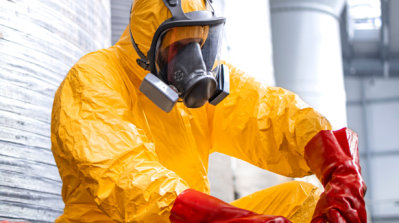
Welcome to the Control Workplace Hazardous Substances course.
Hazardous substances are present in almost every workplace. They may be found in the form of cleaning chemicals, disinfectants, fuels, oils, solvents, pesticides, paints, adhesives, gases, lubricants, process chemicals, fumes, vapours, contaminated waste or other substances used during normal workplace activities. Although many of these substances are used every day and may appear familiar, they can cause serious harm when they are not correctly identified, labelled, stored, handled, used or disposed of.
Exposure to hazardous substances can result in immediate health effects such as skin irritation, eye irritation, dizziness, nausea, breathing difficulty, poisoning or chemical burns. In some cases, the effects may only become visible after repeated exposure over a long period of time. Long-term exposure may contribute to occupational illnesses such as asthma, dermatitis, organ damage, reproductive health effects, nervous system damage or cancer. Hazardous substances can also create risks such as fires, explosions, environmental pollution, damage to equipment, production losses and legal consequences for the organisation.
This course has been developed to help learners recognise, understand and control hazardous substances in the workplace. The course explains the legal duties placed on employers and employees, the importance of Safety Data Sheets, chemical labels, warning symbols, risk assessments, safe storage, safe handling, personal protective equipment, emergency response and waste management.
The focus of this course is not only on knowing that chemicals can be dangerous, but on understanding how and why they become dangerous in real workplace situations. Learners will be guided to consider how hazardous substances enter the body, how exposure can occur, why incompatible chemicals must be separated, why containers must be correctly labelled, why Safety Data Sheets must be available and why unsafe chemical practices must be reported immediately.
Throughout the course, learners are encouraged to think about their own workplace and the substances they may use, store, handle or be exposed to. Chemical safety is a shared responsibility. Employers must provide safe systems of work, suitable controls, information, training and personal protective equipment. Employees must follow procedures, use controls correctly, wear the required personal protective equipment, report unsafe conditions and avoid taking shortcuts.
By completing this course, learners will gain the knowledge and confidence to contribute to a safer, healthier and more legally compliant workplace. The aim is to reduce the risk of chemical exposure, prevent incidents, protect the environment and ensure that hazardous substances are managed responsibly from the time they enter the workplace until they are safely used, removed or disposed of.
Chemical safety depends on awareness, discipline, communication and teamwork. Every person who works with or near hazardous substances has an important role to play in preventing harm.
Course Information
Course Objectives
The objective of this course is to equip learners with the knowledge, understanding and practical awareness required to recognise, assess, control and manage hazardous substances in the workplace.
On completion of this course, learners should be able to:
Understand what hazardous substances are and why they pose a risk to workers, the workplace, the environment and the public.
Identify hazardous substances commonly found in the workplace, including chemicals, cleaning agents, disinfectants, fuels, solvents, pesticides, gases, fumes, vapours and hazardous waste.
Explain the legal duties of employers and employees in relation to hazardous substances.
Understand the importance of complying with the Occupational Health and Safety Act, Hazardous Chemical Agents Regulations and relevant environmental requirements.
Recognise the different types of chemical hazards, including physical hazards, health hazards and environmental hazards.
Interpret basic information from Safety Data Sheets and understand why Safety Data Sheets must be available, current and accessible to workers.
Recognise the purpose of chemical labels, GHS pictograms, signal words, hazard statements and precautionary statements.
Understand how hazardous substances can enter the body through inhalation, skin absorption, ingestion, injection and eye contact.
Differentiate between acute exposure and chronic exposure.
Identify workplace activities that may increase the risk of hazardous substance exposure, such as mixing, decanting, spraying, heating, cleaning, maintenance, waste handling and storage.
Understand the purpose of hazardous substance risk assessments and how risks are evaluated in the workplace.
Apply the hierarchy of controls when selecting suitable control measures for hazardous substances.
Explain the importance of safe storage, chemical segregation, compatibility, ventilation, bunding and containment.
Understand why incompatible chemicals must not be stored or mixed together.
Follow safe handling, use, decanting, dilution and application procedures for hazardous substances.
Understand the role and limitations of personal protective equipment when working with hazardous substances.
Select and use suitable personal protective equipment according to the chemical hazard and task requirements.
Recognise signs and symptoms of hazardous substance exposure and understand the importance of reporting them immediately.
Understand the purpose of exposure monitoring, biological monitoring and medical surveillance where hazardous chemical exposure may occur.
Respond appropriately to chemical spills, leaks, accidental exposure and emergency situations.
Understand the importance of spill kits, emergency showers, eyewash stations, evacuation procedures and emergency communication.
Explain the basic principles of hazardous chemical waste management and environmental protection.
Understand why hazardous chemical waste must be labelled, stored, segregated, transported and disposed of correctly.
Recognise the importance of reporting incidents, near-misses, unsafe conditions and uncontrolled chemical exposure.
Contribute to a safer workplace by following procedures, using controls correctly, communicating hazards and supporting a positive chemical safety culture.
COURSE AIM
The overall aim of this course is to ensure that learners are able to work safely with or near hazardous substances and understand their role in preventing chemical exposure, occupational illness, environmental contamination, fires, explosions and legal non-compliance.
The course promotes responsible chemical management by encouraging learners to identify hazards before harm occurs, follow workplace procedures, use personal protective equipment correctly, report unsafe conditions and participate in continuous improvement of hazardous substance controls.
COURSE TOPICS
This course covers the following key topics:
Introduction to hazardous substances in the workplace
Legal and regulatory framework governing hazardous substances in South Africa
Employer and employee duties relating to hazardous substances
Occupational Health and Safety Act requirements
Hazardous Chemical Agents Regulations
Hazardous Substances Act requirements
Environmental legislation and pollution prevention duties
COIDA and occupational diseases linked to chemical exposure
Chemical hazard identification and classification
Physical hazards of chemicals
Health hazards of chemicals
Environmental hazards of chemicals
Routes of exposure to hazardous substances
Acute and chronic exposure
Chemical labels and hazard communication
Globally Harmonised System of Classification and Labelling of Chemicals
GHS pictograms, signal words and hazard statements
Safety Data Sheets and their purpose
The 16 sections of a Safety Data Sheet
Chemical registers and inventories
Chemical documentation and recordkeeping
Risk assessment of hazardous substances
Workplace exposure assessment
Frequency, duration and intensity of exposure
High-risk chemical tasks
Hierarchy of controls
Elimination and substitution of hazardous substances
Engineering controls for hazardous substances
Administrative controls and safe work procedures
Personal protective equipment for chemical tasks
Safe handling of hazardous substances
Safe decanting, mixing, dilution and application of chemicals
Chemical storage requirements
Chemical segregation and compatibility
Bunding, containment and spill prevention
Control of chemical waste and effluent
Exposure monitoring and occupational hygiene assessments
Biological monitoring
Medical surveillance for exposed workers
Early warning signs and symptoms of chemical exposure
Chronic occupational diseases linked to hazardous substances
Reporting and managing exposure symptoms
Emergency response for hazardous substance incidents
Chemical spill response procedures
Small spills and major spills
Emergency communication and evacuation
Fire risks associated with hazardous substances
Emergency showers, eyewash stations and decontamination
Chemical first aid principles
Incident reporting and investigation
Root cause analysis and corrective action
Hazardous chemical waste management
Waste classification and segregation
Safe storage of hazardous chemical waste
Waste manifests and contractor control
Environmental protection and contamination prevention
Stormwater, soil and groundwater protection
Chemical safety programmes in the workplace
Training, supervision and competency requirements
Communication and teamwork in chemical safety
Building a positive chemical safety culture
Continuous improvement of hazardous substance controls
COURSE METHODOLOGY
This course is delivered through a structured, learner-centred methodology designed to build both knowledge and practical workplace understanding.
The course is presented in a step-by-step format, allowing learners to first understand the legal and theoretical background of hazardous substances before progressing to practical workplace application. Each module introduces key concepts, explains their relevance to the workplace and then guides learners in applying these principles to real chemical safety situations.
The learning methodology includes:
Structured Online Learning
Learners will complete the course through the SAFCON Academy online learning platform. The course content is divided into clear modules and lessons so that learners can work through the material in a logical sequence. Each section should be completed before moving on to the next section.
Self-Paced Learning
Learners may complete the course at their own pace within the access period provided. This allows learners to review important sections, repeat content where necessary and take sufficient time to understand chemical safety principles before completing the assessment.
Text-Based Learning Material
The course uses detailed textbook-style learning material to explain hazardous substances, legal requirements, chemical classification, Safety Data Sheets, labels, risk assessment, control measures, exposure monitoring, emergency response and waste management. The content is written in practical workplace language to support understanding and application.
Workplace-Based Application
Learners are encouraged to relate the course content to their own workplace. Throughout the course, learners should consider the hazardous substances they may use, store, handle, transport, dispose of or be exposed to during their normal work activities.
Practical Examples
The course includes practical examples to help learners understand how chemical hazards occur in real workplaces. These examples assist learners in recognising unsafe practices, identifying exposure risks and understanding the importance of correct controls.
Scenario-Based Learning
Learners are exposed to realistic workplace scenarios involving hazardous substances. These scenarios help learners apply their knowledge to situations such as chemical spills, poor labelling, unsafe storage, exposure symptoms, incompatible chemicals, waste handling and emergency response.
Knowledge Checks
Knowledge checks may be included during or after selected sections to reinforce learning. These activities help learners confirm their understanding before progressing further in the course.
Legal and Compliance Focus
The course places strong emphasis on South African legal requirements and employer and employee duties. Learners are guided to understand that hazardous substance control is not only a safety issue, but also a legal and environmental responsibility.
Risk-Based Approach
The course follows a risk-based approach. Learners are taught to identify hazards, understand routes of exposure, evaluate risk, apply the hierarchy of controls and recognise when additional measures such as exposure monitoring, medical surveillance or emergency planning may be required.
Assessment
At the end of the course, learners must complete a final assessment. The assessment may include multiple-choice questions, short-answer questions and scenario-based questions. The purpose of the assessment is to confirm that the learner understands the course content and can apply it to workplace hazardous substance control.
Competency Requirement
Learners must achieve the required pass mark to successfully complete the course and be found competent. Learners who do not meet the required standard may be required to review the course material and complete further assessment activities, depending on SAFCON Academy procedures.
Learner Responsibility
Learners are responsible for working through all course material, reading each section carefully, completing all required activities and asking for assistance where they do not understand a concept. Chemical safety requires careful attention, and learners should not rush through the content without understanding its workplace importance.
Facilitator or Support Role
Where facilitator or support assistance is provided, the facilitator may guide learners through difficult concepts, clarify questions, explain workplace examples and assist learners in understanding how hazardous substance controls apply in real working environments.
Outcome of the Methodology
This methodology ensures that learners do not only memorise information, but develop practical awareness and confidence to recognise hazardous substances, understand their risks, follow safe procedures, use controls correctly, respond to emergencies and contribute to a safer and more legally compliant workplace.
Coaches

Christinne van Vuuren